Veneration vs. Worship — What I Teach and Why
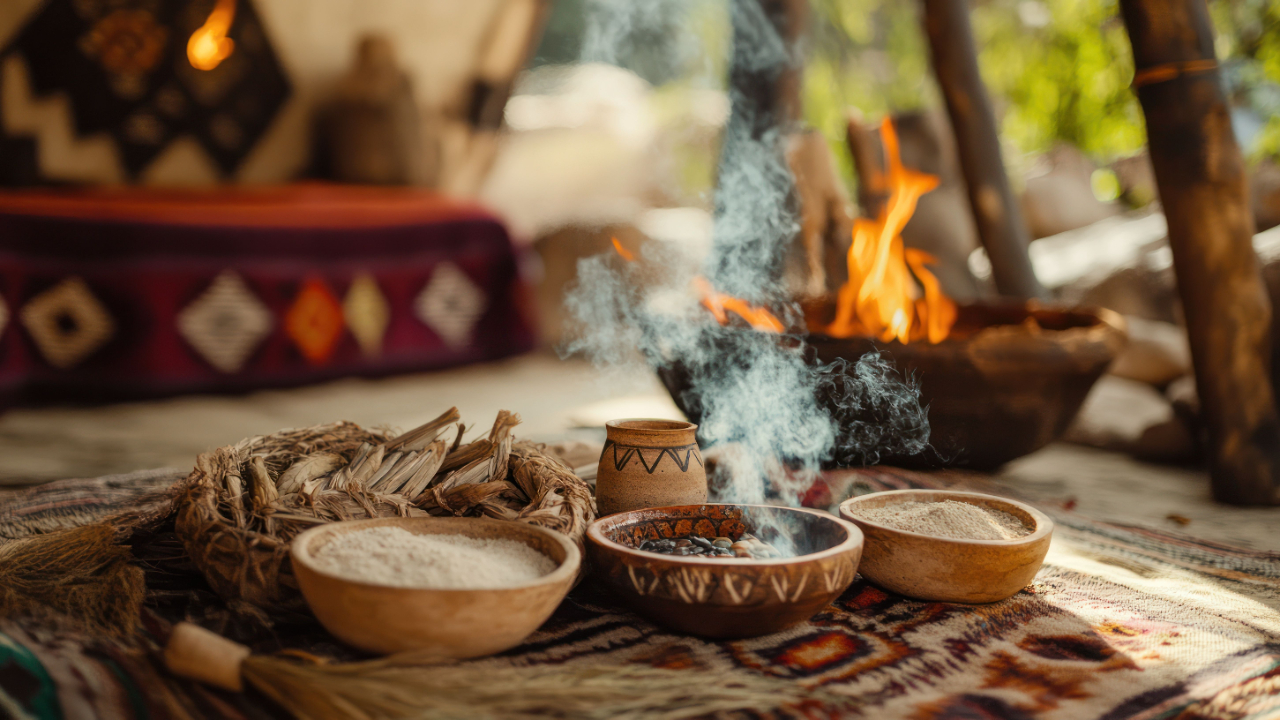
Many people are drawn to ancestral work because they feel the presence of those who walked before them. They sense guidance, feel supported, and know they’re not alone.
Yet the moment they mention “ancestral veneration,” family members may tense up, lean back, or give that familiar raised eyebrow. The concern is understandable. Most people simply don’t know the difference between veneration and worship, so they assume they’re the same.
They are not.
What I teach is rooted in respect, remembrance, and partnership — not worship.
What Veneration Actually Means
Veneration is the practice of honoring the ancestors who lived, struggled, learned, and poured their gifts into the bloodline you now carry. It is remembrance. It is respect. It is gratitude.
You can think of it as sitting with the elders in your family, listening to their wisdom, acknowledging their sacrifices, and receiving guidance when you need it. It is relational. It is grounded. It is not about placing them on a throne. It is about acknowledging that their lives shaped yours.
Veneration says:
“I see you. I thank you. I welcome the wisdom you choose to share.”
Nothing more. Nothing less.
What Worship Is Not
Worship belongs to the divine. In every tradition, worship is directed toward God, Spirit, Source — however one names the Eternal. Worship is devotion to the Sacred.
Your ancestors are not divine. They are honored elders, sources of wisdom, and guides who walk with you — not gods who rule over you.
The work I teach never asks anyone to worship their ancestors. That would undermine the humanity that makes their guidance meaningful.
Why This Distinction Matters
For many, ancestral veneration becomes a doorway to healing, clarity, and connection. Yet misunderstanding can create unnecessary tension within families who fear their loved ones are being led away from their faith.
My clients often tell me:
“I wish I had a simple way to explain what I’m doing.”
This post is your simple explanation.
Ancestral veneration does not replace your spiritual beliefs. It strengthens them. It complements prayer, deepens your connection, and helps you understand the spiritual inheritance that lives in your bloodline.
You aren’t turning away from your faith. You are turning toward your lineage.
What I Teach in My Work
My work centers on collaborating with healed ancestors — the Wisdom Keepers and Ancestresses who carry guidance and medicine that support your purpose, clarity, and leadership.
This is not worship.
This is partnership.
You learn to communicate with your lineage so you can:
• Receive clarity when you’re at a crossroads
• Break patterns that didn’t begin with you
• Activate the gifts and strengths they carried
• Step into your Sacred Blueprint with confidence
Your ancestors don’t replace your spiritual path. They enrich it. They help you see your life through a wider lens and make decisions with greater certainty.
How to Share This with Family
If a loved one is unsure or nervous, keep it simple.
You can say:
“I’m not worshipping my ancestors. I’m honoring them and listening for the wisdom they gained in their lifetimes. It’s like asking a trusted elder for guidance, but in a spiritual way.”
Most people understand that.
And often, once they understand it, they soften.
A Closing Thought
Your ancestors walked their paths so you could walk yours with greater clarity. Honoring them is not controversial. It is a form of gratitude. It is remembering that wisdom doesn’t begin with you — and that you don’t have to carry life alone.
This work isn’t about creating distance between you and your family.
It’s about deepening your roots so your life, leadership, and legacy can flourish.